Research
Research Guides
Dr. Veena S. Soraganvi
Groundwater, GIS & remote sensing, unsaturated soils and water resources
Dr. C. B. Shivayogimath
Wastewater treatment, electrocoagulation and water quality modelling
Dr. P. G. Rakaraddi
Geotechnical engineering and liquefaction studies
Dr. Mahantesh M. Hanamasagar
Stabilised rammed earth and sustainable construction materials
Dr. Shankar H. Sanni
Geopolymer and high-performance concrete, soil-structure interaction
Dr. Santhosh M. Malkapur
Concrete with sustainable materials, structural dynamics and seismic analysis
Dr. Adarsh S. Chatra
Slope stability, energy geotechnics and trenchless techniques
Dr. G. B. Megeri
Civil engineering research (recognised Ph.D. guide)
Dr. Shreeshail Heggond
Structural engineering; nano-materials, high-performance concrete and smart construction
Dr. Srinivas F. Chitragar
Transportation systems engineering, highway engineering and pavement materials
Dr. Jayalatha N. A.
Environmental engineering, wastewater treatment and bioremediation
Advance Geotechnical Engineering Laboratory
Area: 216 m². Equipped with electromechanical servo-actuated automatic ring shear, cyclic triaxial, and automatic oedometer consolidation testing machines. Supports advanced research in soil mechanics, residual shear strength, dynamic soil properties, stress paths, and consolidation characteristics.
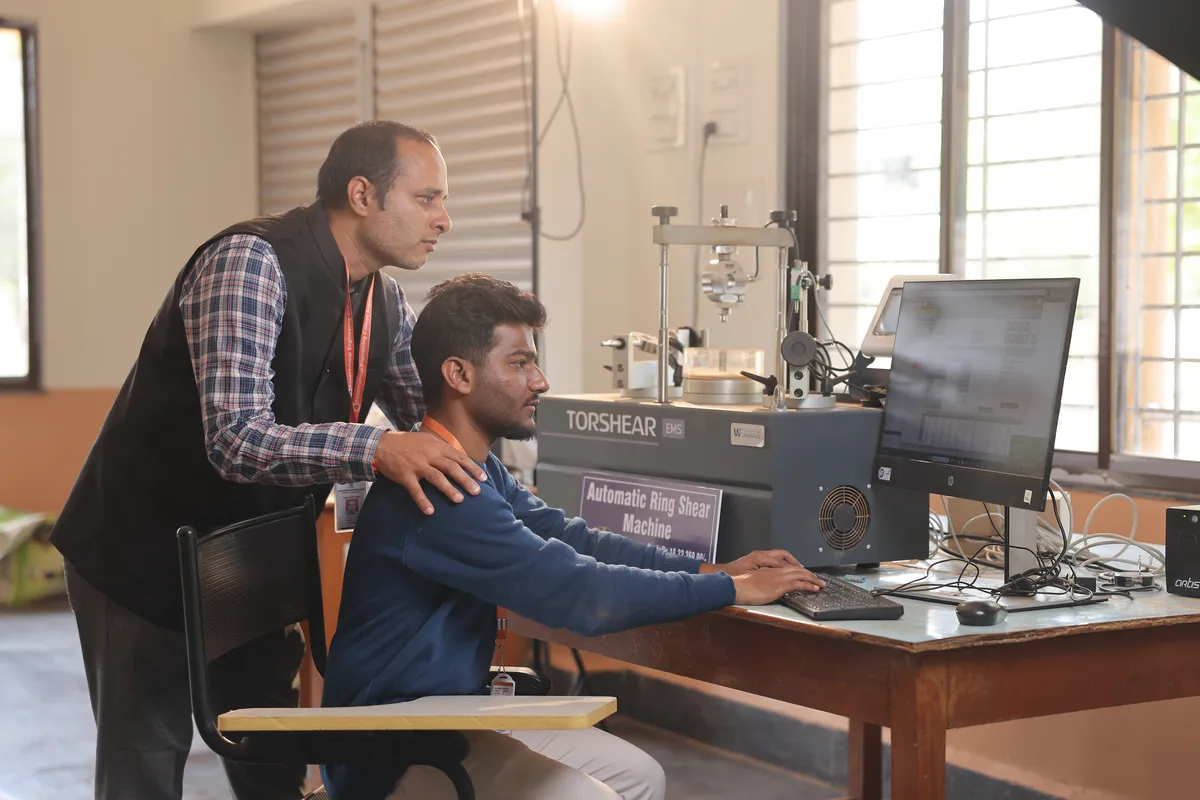
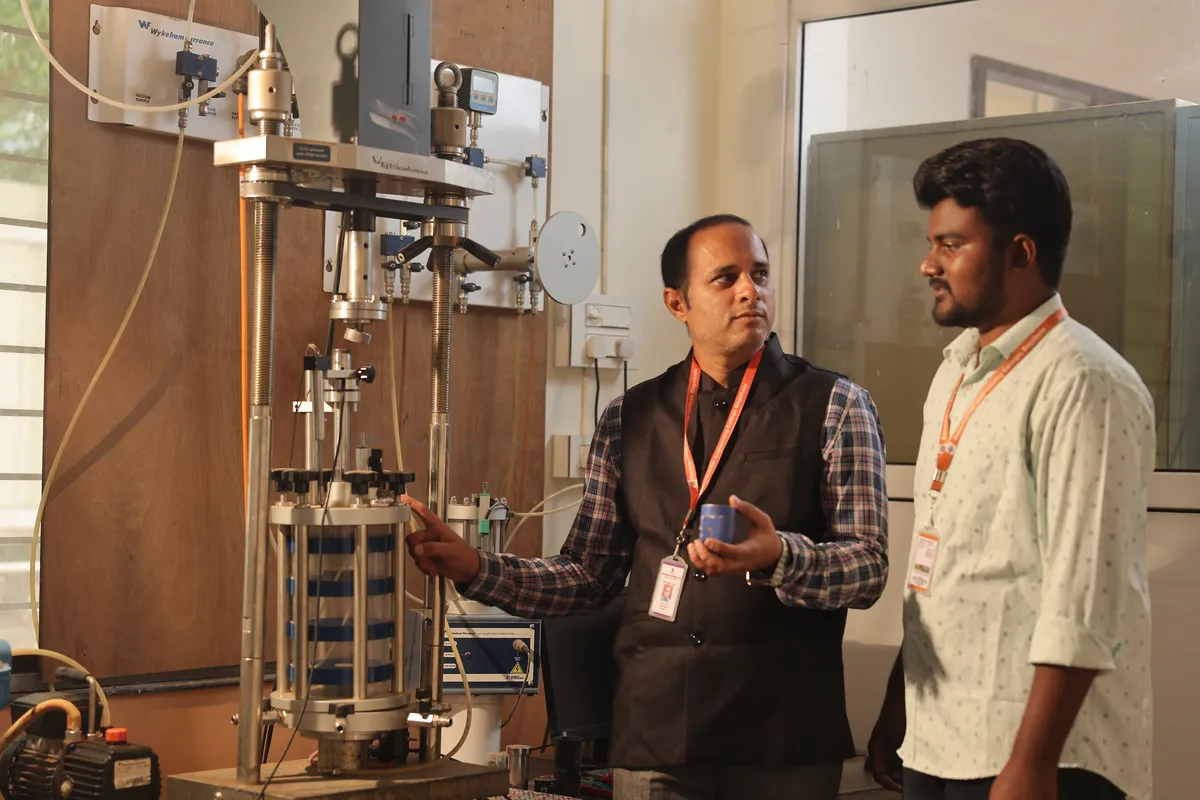
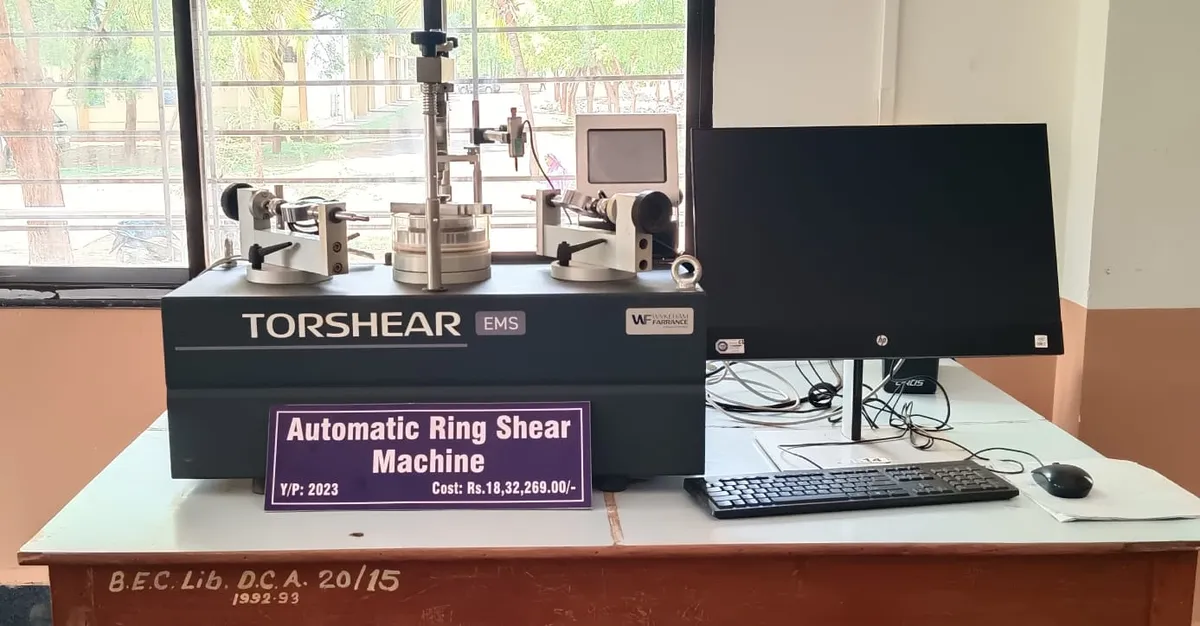
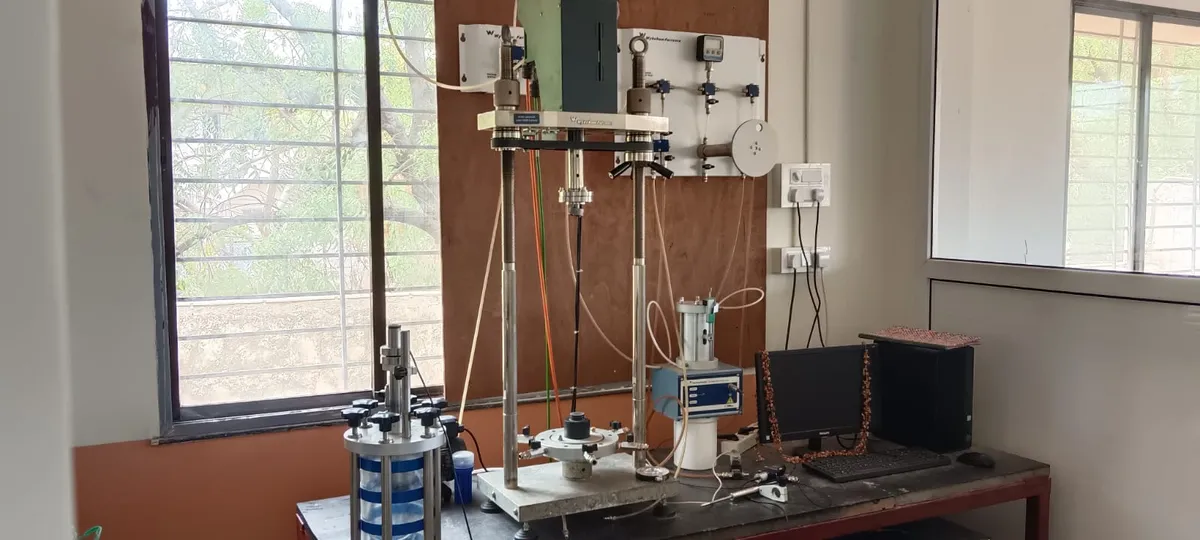
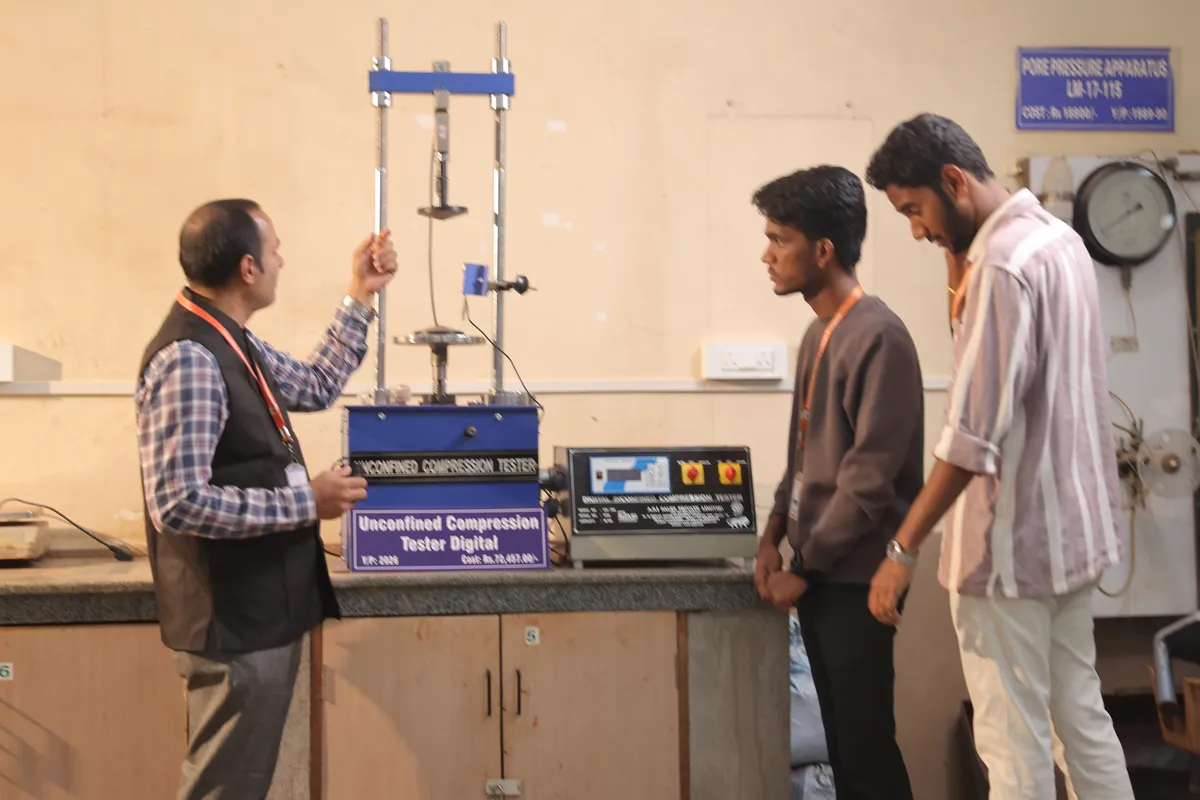
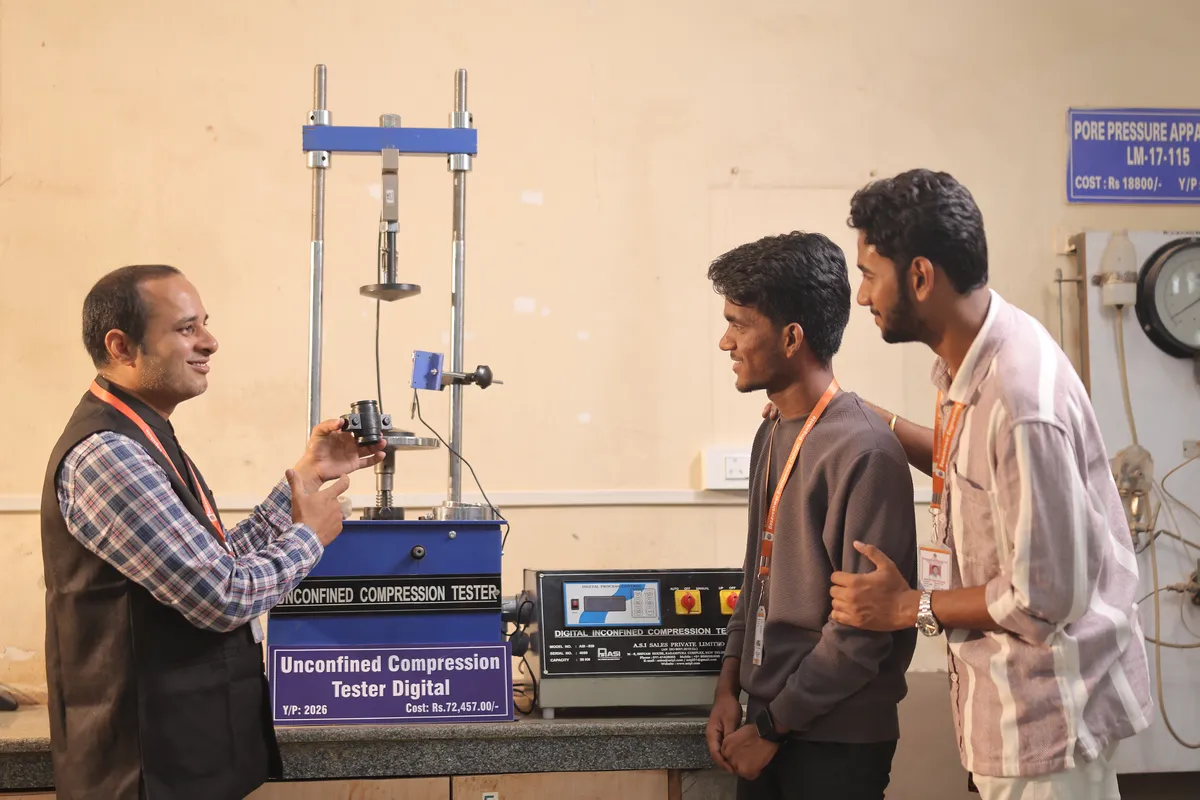
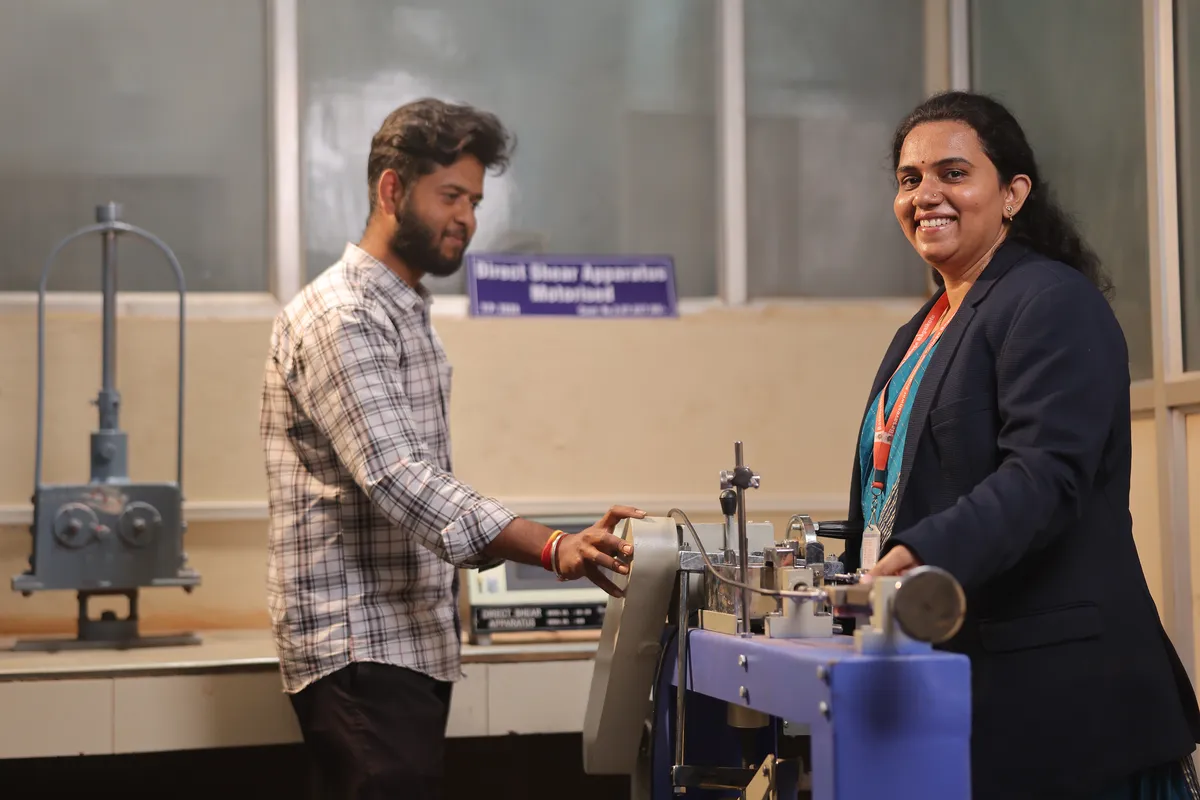
Geotechnical Engineering Laboratory
Area: 185 m². Enables comprehensive physical and engineering testing of soil properties including grain size distribution, Atterberg limits, permeability, compaction, direct shear, unconfined compression, and triaxial shear testing to determine bearing capacity and slope stability.
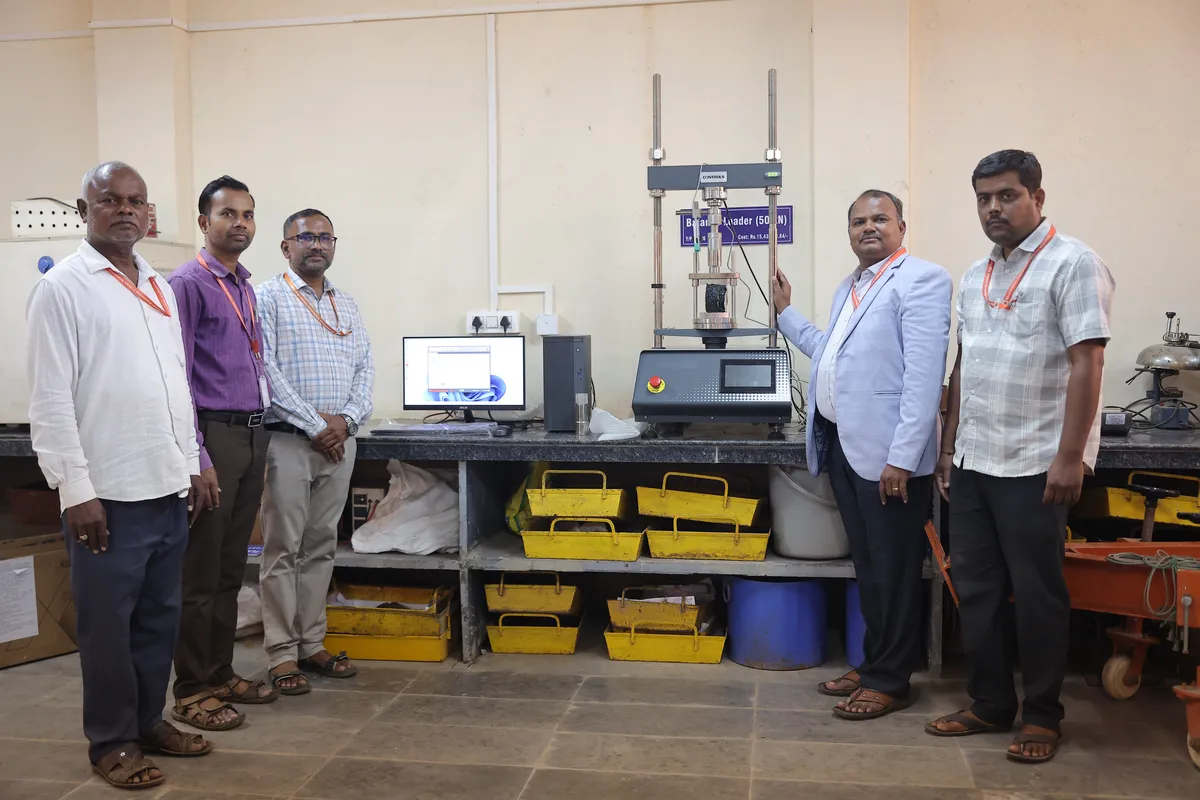
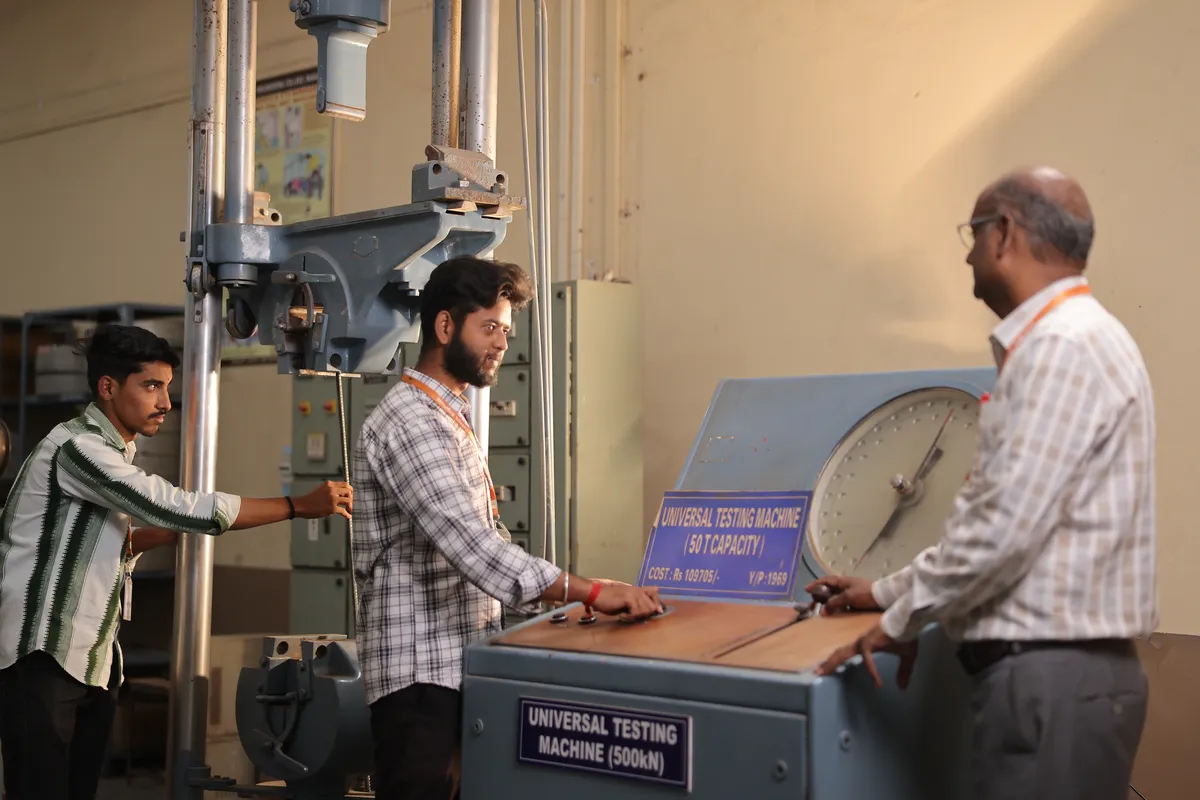
Structural Engineering Laboratory
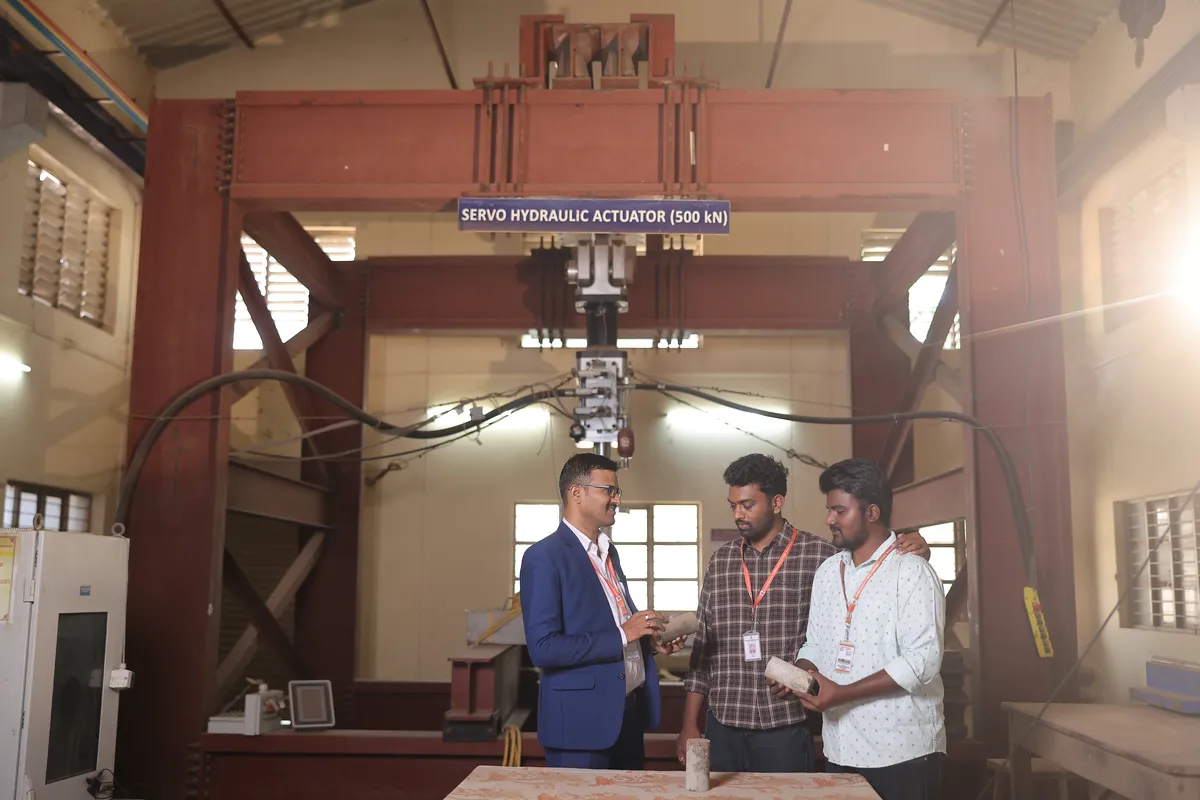
Area: 493 m² (1+1). Features heavy loading frames (100-ton capacity), servo-hydraulic actuators (500 kN), compression load cells, demountable mechanical strain gauges, data acquisition systems, vibrating tables, and automatic compression and flexure testing machines.
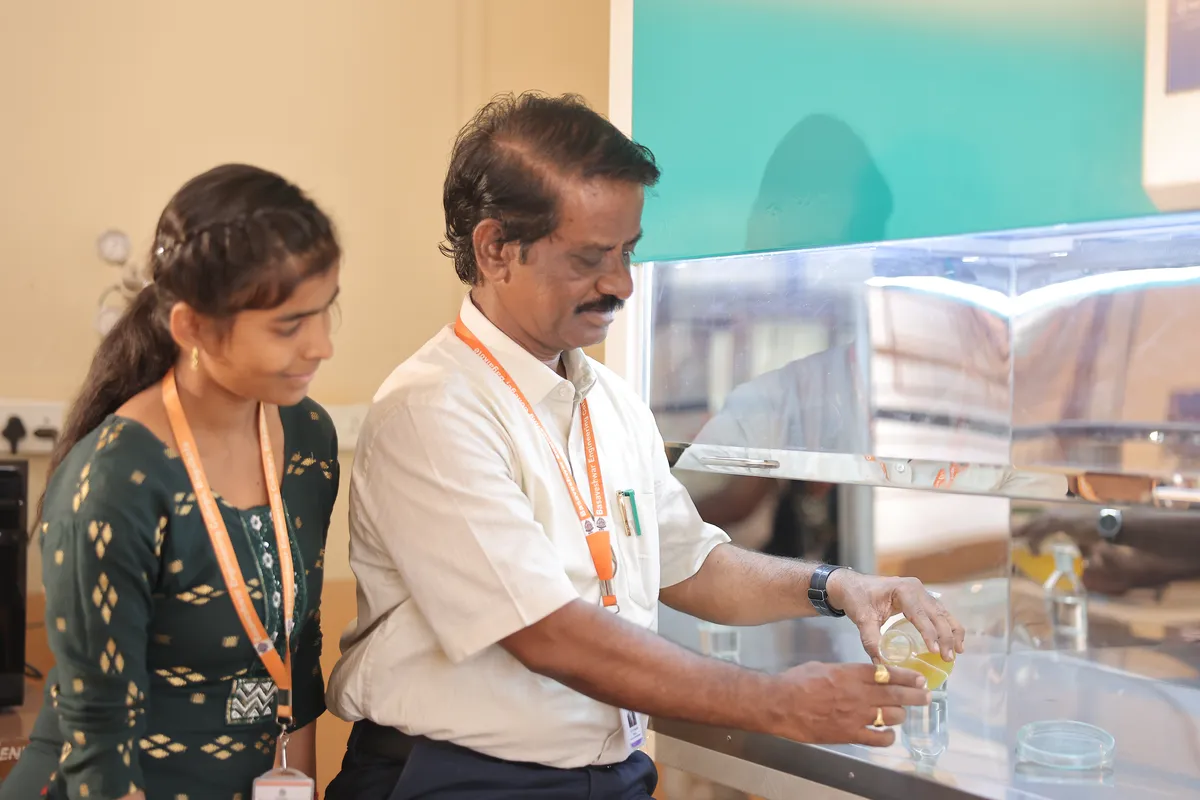
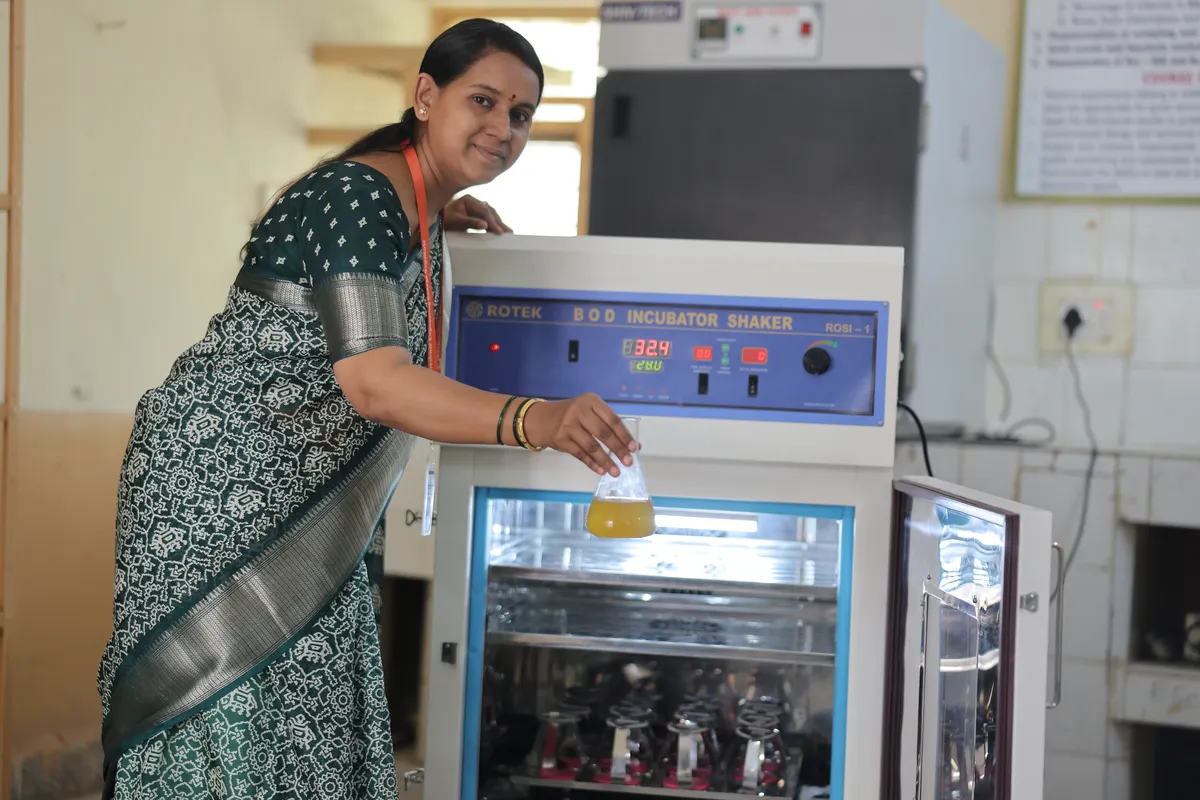
Environmental Engineering Laboratory
Area: 160 m². Equipped for physical, chemical, and biological analysis of water and wastewater. Features research-grade TOC analyzer, UV spectrophotometer, flame photometer, digital conductivity/TDS meters, muffle furnace, hot air oven, deep freezer, and BOD incubators.
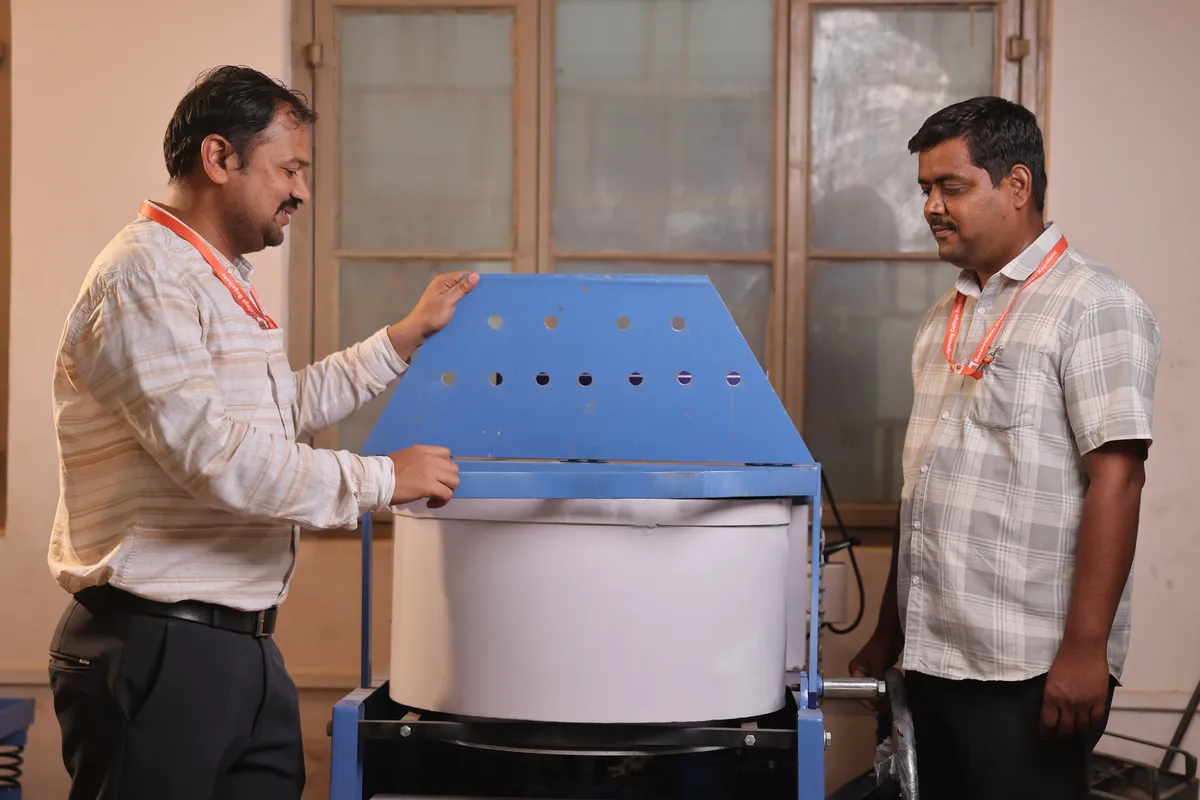
Basic Materials & Concrete Testing Laboratory (BMCT Lab)
Area: 215 m². Provides testing facilities for building materials, aggregates, and concrete, including compressive testing, cement consistency, setting time, workability, and concrete mix design experiments.
Concrete Testing Laboratory
Area: 95 m². Supports advanced concrete technology experiments, curing, compression and flexural tests on structural components and standard cubes/cylinders.
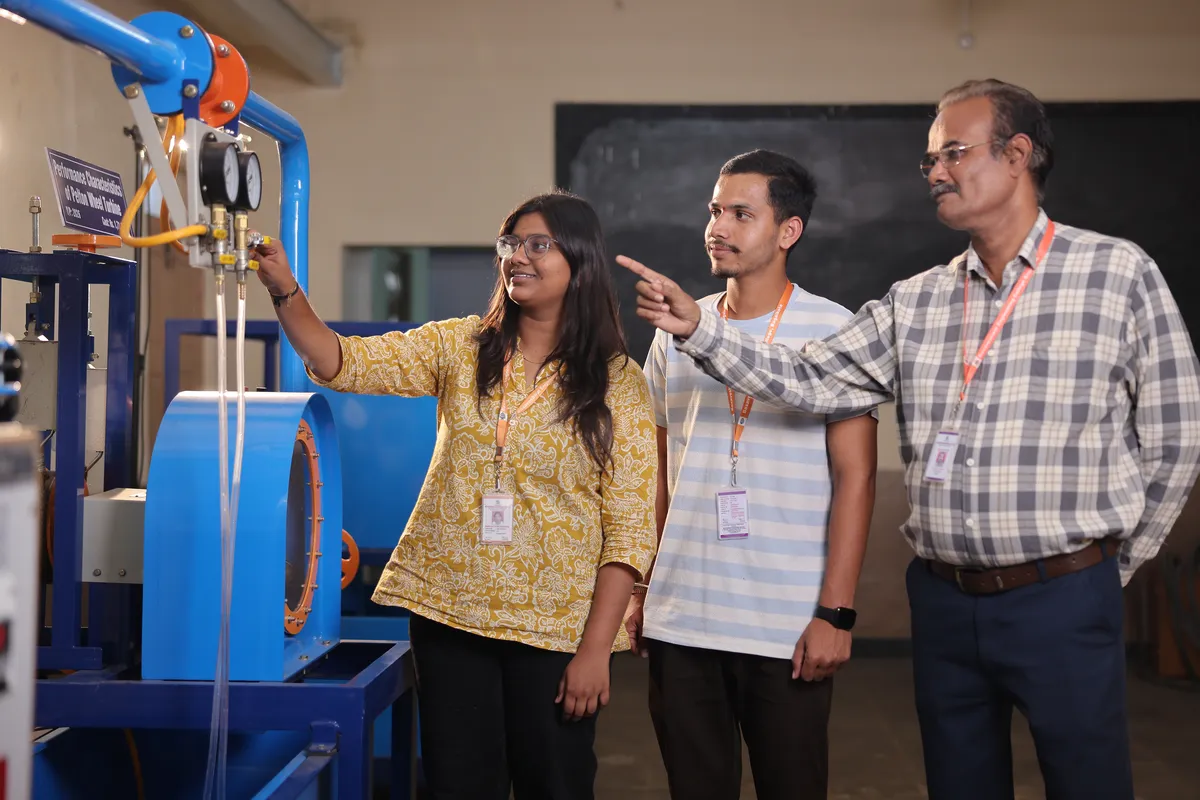
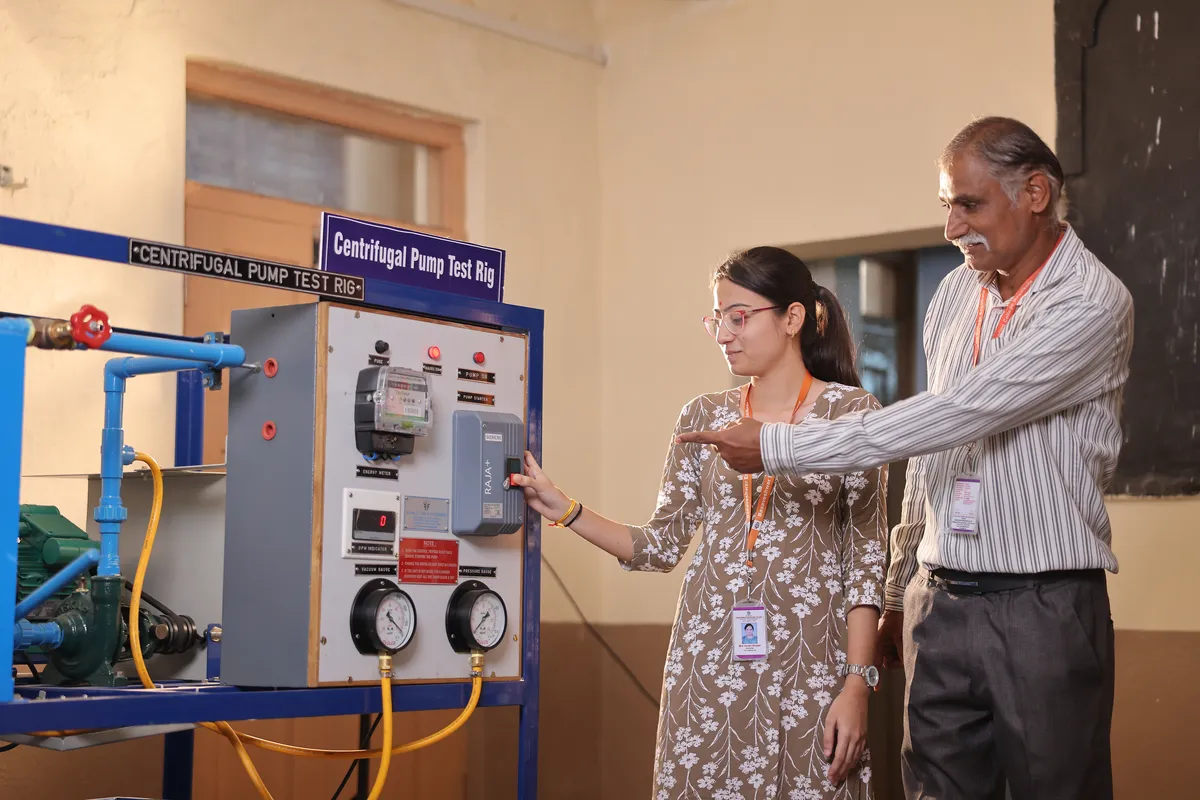
Fluid Mechanics Laboratory
Area: 134 m². Equipped with setups for verifying fluid mechanics theorems, flow measurement devices (venturimeters, orifices), friction loss in pipes, and turbine performance characteristics.
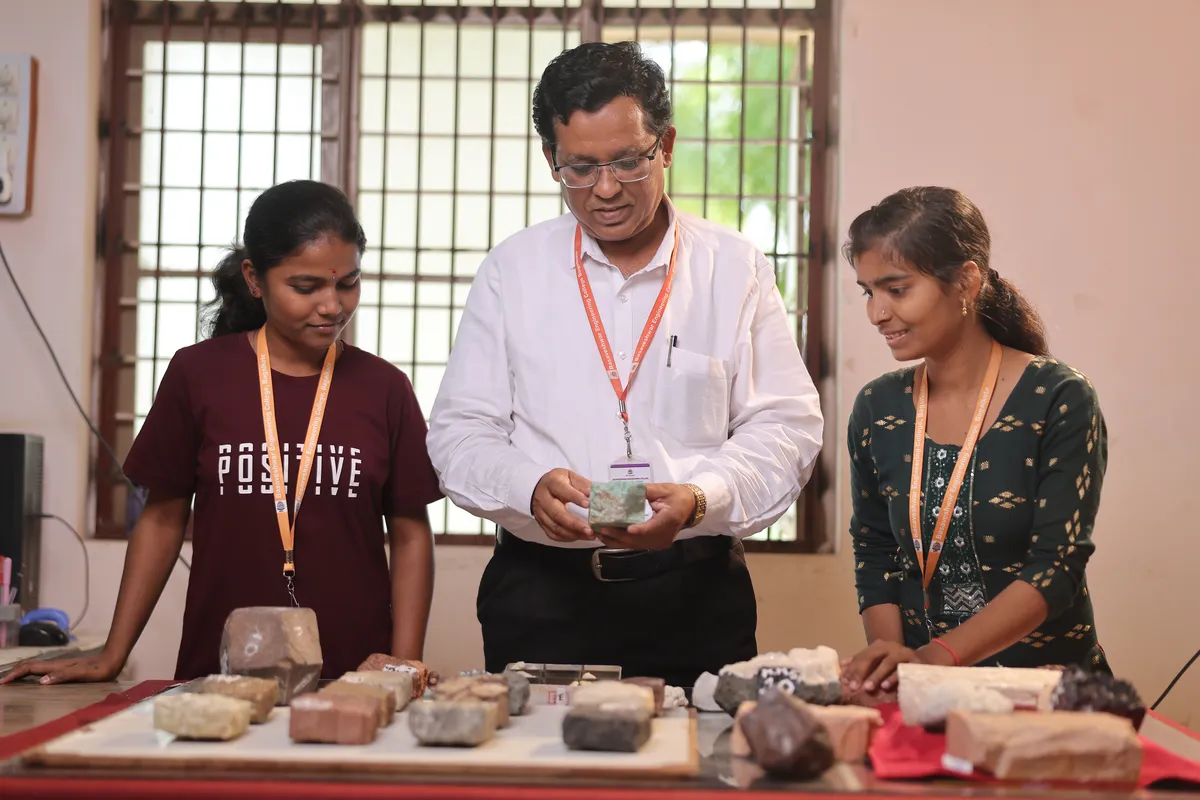
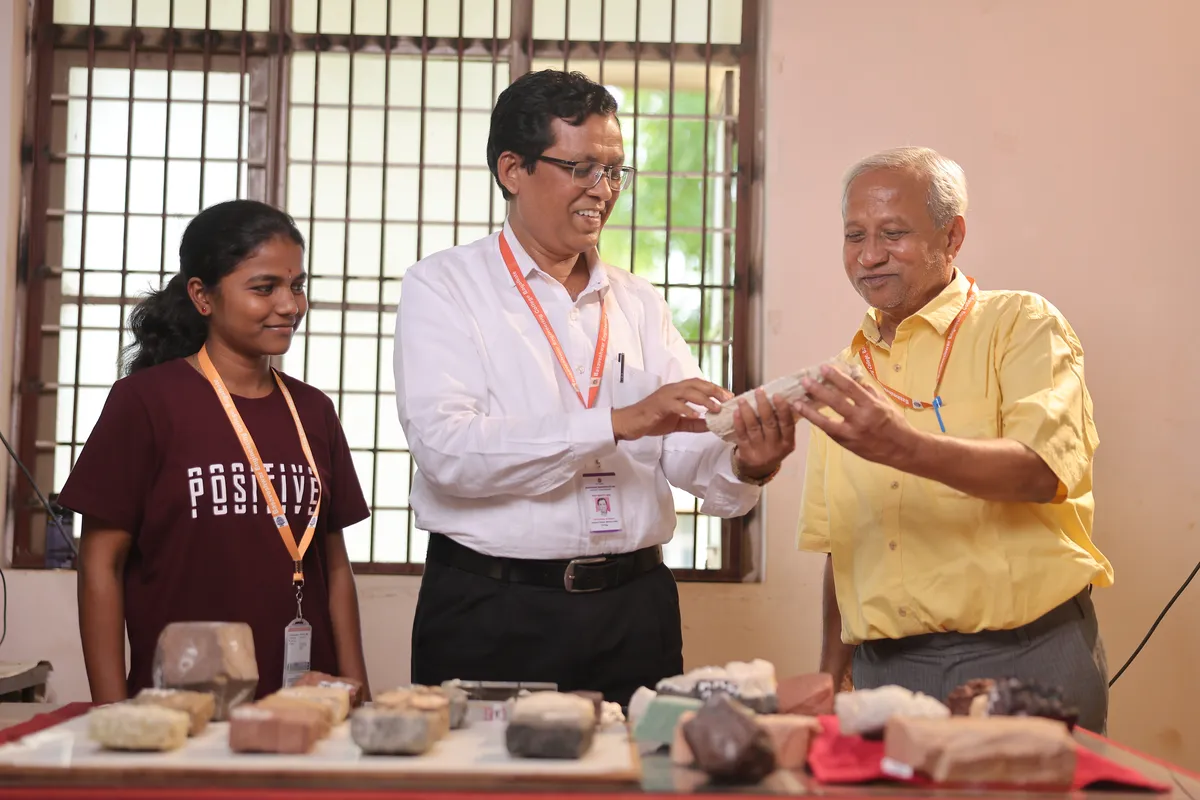
Engineering Geology Laboratory
Area: 43 m². Facilitates study of mineralogy, petrology, geological maps, and structural geology. Equipped with a collection of mineral and rock specimens, structural models, and petrological microscopes.
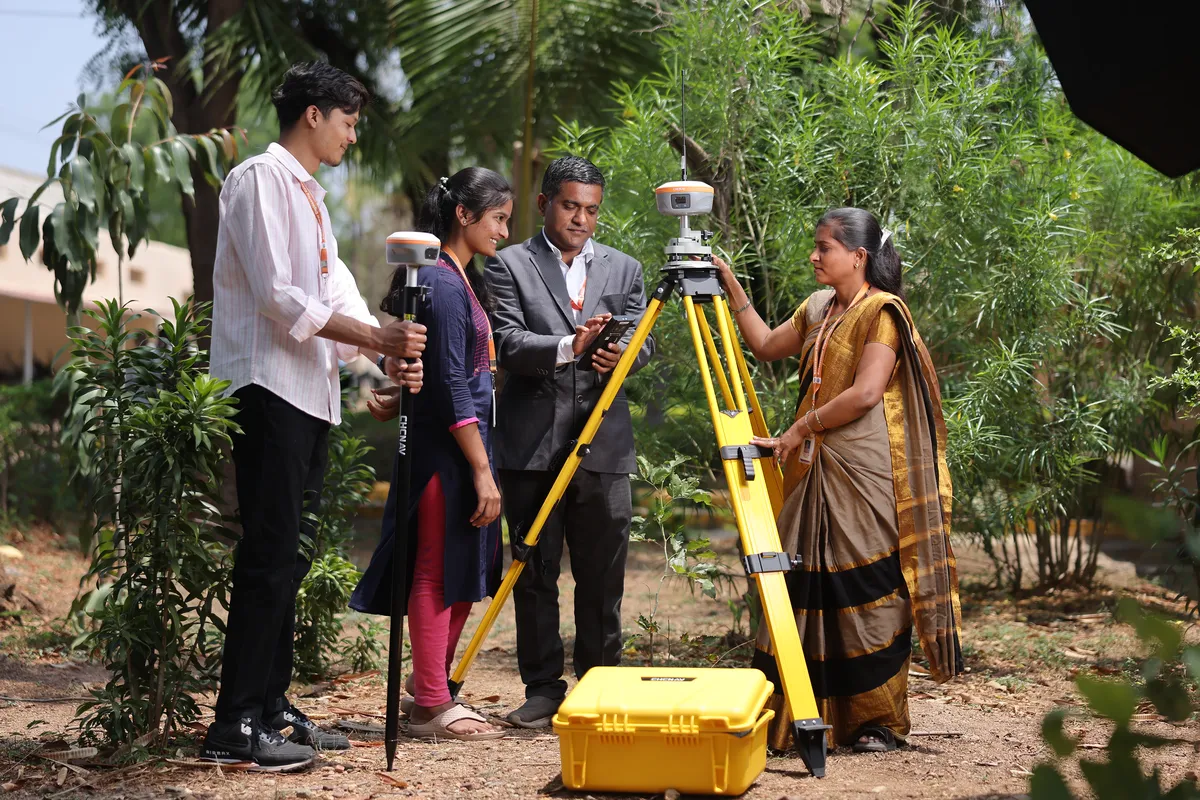
Surveying Practice Laboratory
Area: 71 m². Equipped with modern surveying instruments including total stations, electronic theodolites, auto-levels, plane tables, and GPS equipment to train students in map making, contouring, and site layouts.
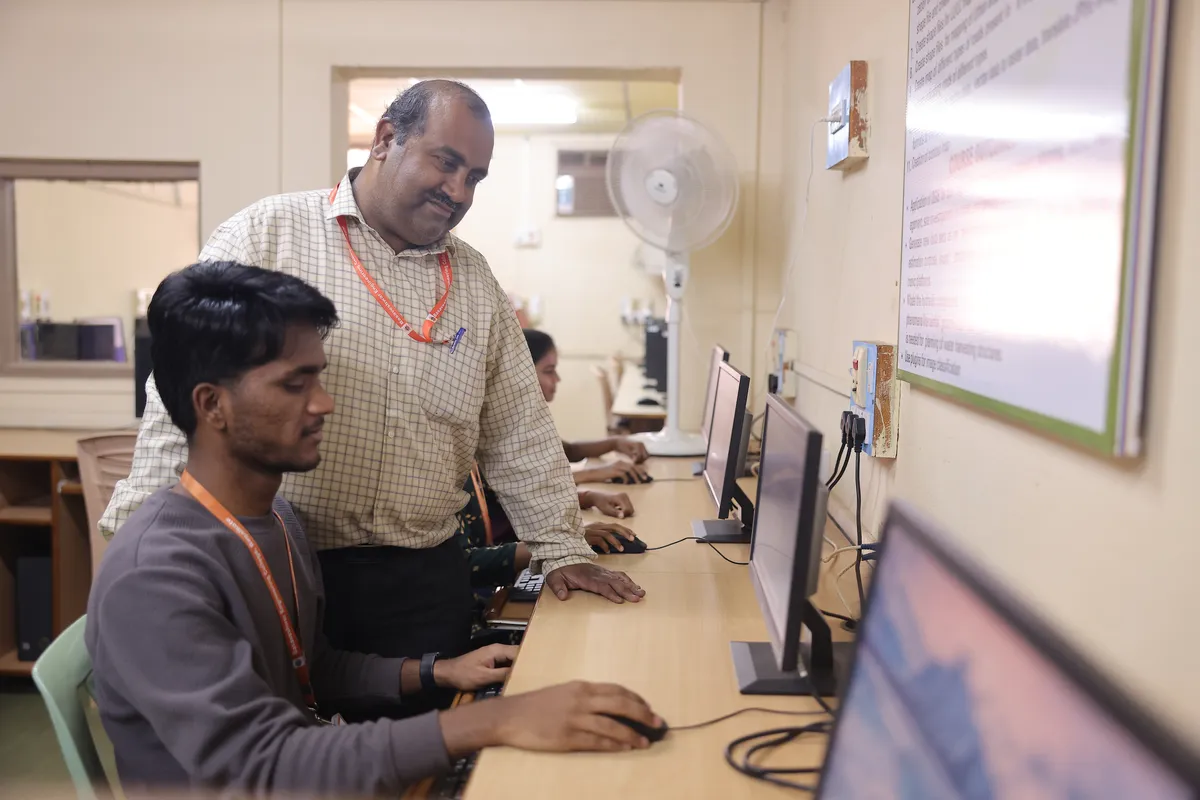
Computer Laboratory
Area: 60 m². Equipped with high-performance computing systems and drafting software (such as AutoCAD, STAAD Pro, and ETABS) to train students in computer-aided design, structural analysis, and structural detailing.
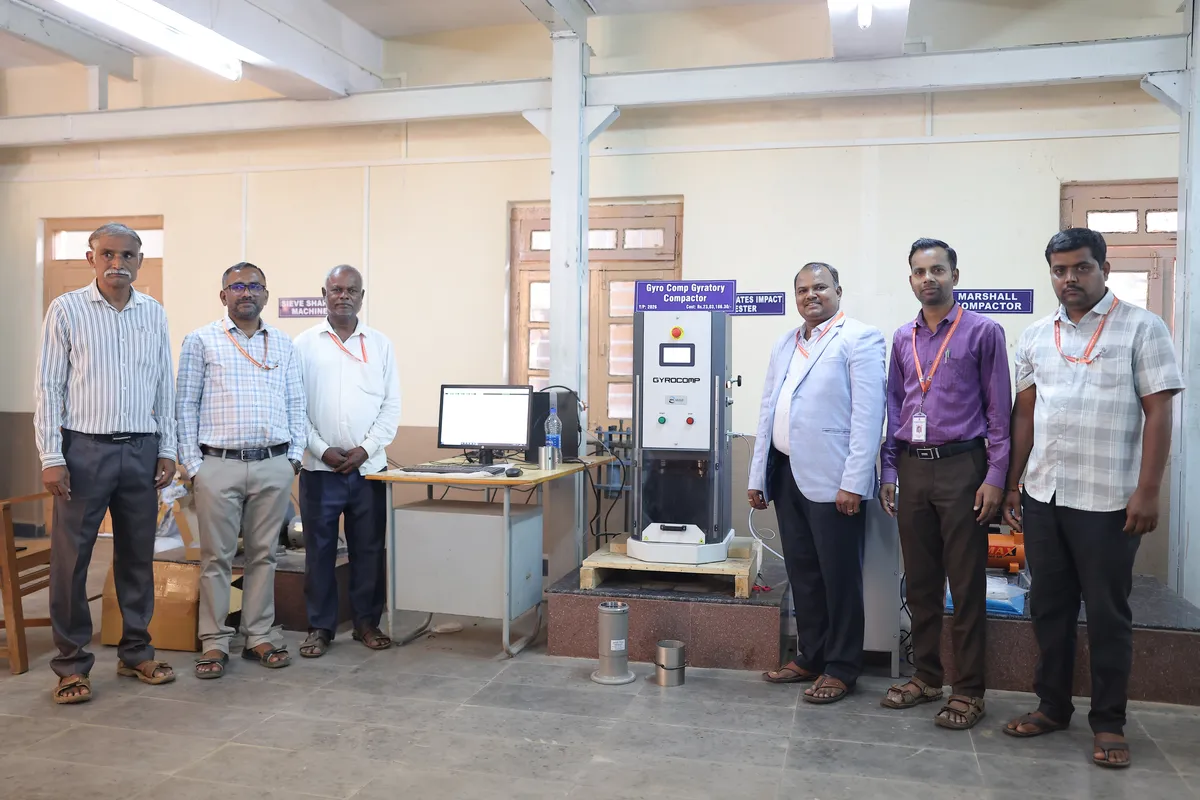
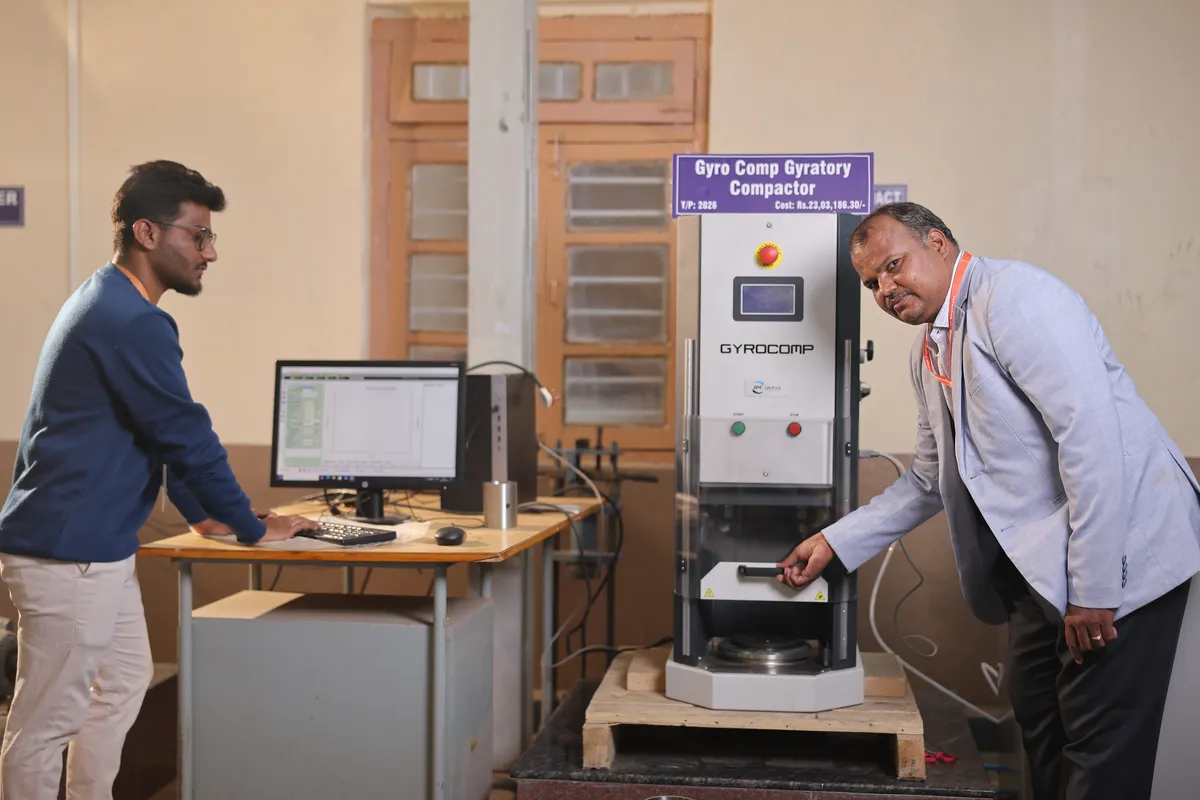
Highway & Concrete Laboratory (Transportation Engineering Lab)
Area: 155 m². Equipped for characterization of highway materials (bitumen and aggregates), pavement thickness design, aggregate impact value, shape tests, penetration, and ductility of bitumen.